

One of the most valuable skills educators can help students develop is personal responsibility. When students learn to take ownership of their choices, actions, learning, and relationships, they become more confident and capable both inside and outside the classroom.
A new school year provides a fresh opportunity to intentionally build responsibility into everyday classroom routines. Here are several ways educators can help students develop this important life skill:
1. Give Students Meaningful Responsibilities
Students need opportunities to practice responsibility, not simply hear about it. Classroom jobs, leadership opportunities, technology responsibilities, and group roles can give students a sense of ownership.
Whether a student is responsible for organizing materials, helping a classmate, leading a discussion, or caring for classroom resources, these small responsibilities can build confidence and independence.
2. Create Clear Expectations
Students are more likely to take ownership when they understand what is expected of them. At the beginning of the school year, establish clear expectations for classroom behavior, assignments, participation, and interactions with others.
Whenever possible, involve students in creating classroom expectations. When students have a voice in establishing the culture of the classroom, they may feel a greater sense of ownership over it.
3. Encourage Students to Solve Problems
When a student encounters a challenge, our first instinct may be to provide a solution. Instead, consider giving students time and space to think through the problem themselves.
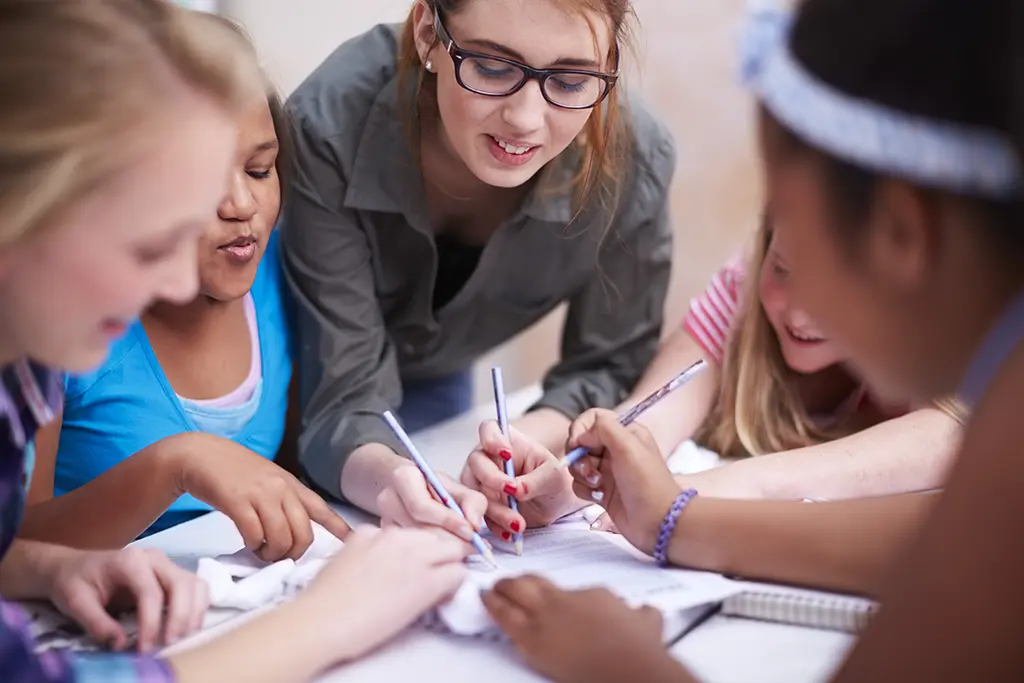
Questions such as “What have you tried?” “What could you do next?” or “Who could help you?” encourage students to become problem-solvers rather than relying on adults to immediately fix things for them.
4. Allow Students to Learn From Mistakes
Mistakes are an important part of learning. Rather than treating mistakes as failures, educators can use them as opportunities for reflection and growth.
When a student makes a poor choice, help them consider what happened, who was affected, and what they can do differently next time. This approach teaches accountability while maintaining a supportive classroom environment.
5. Build Responsibility Into Assignments
Academic work can also be an opportunity to develop personal responsibility. Encourage students to track assignments, manage deadlines, organize materials, and monitor their own progress. Simple practices such as goal-setting, reflection activities, and student-led conferences can help students become more aware of their learning and take greater ownership of their progress.

6. Provide Choices
Giving students appropriate choices can help them develop decision-making skills. Allow students to choose between assignment topics, project formats, reading materials, or ways to demonstrate their learning when appropriate.
With choice comes responsibility. Students learn that their decisions have outcomes and that they are capable of making thoughtful choices.
7. Recognize Responsible Behavior
Students benefit from knowing that their responsible choices are noticed. Rather than offering general praise, point out specific behaviors.
For example, instead of simply saying, “Great job,” try saying, “You noticed your group was struggling and stepped in to help. That showed leadership and responsibility.”Specific feedback helps students understand what responsible behavior looks like and encourages them to repeat it.
8. Model Personal Responsibility
Perhaps one of the most powerful ways we can teach responsibility is by modeling it ourselves. Students notice how educators handle mistakes, follow through on commitments, communicate with others, and respond when things don’t go as planned.
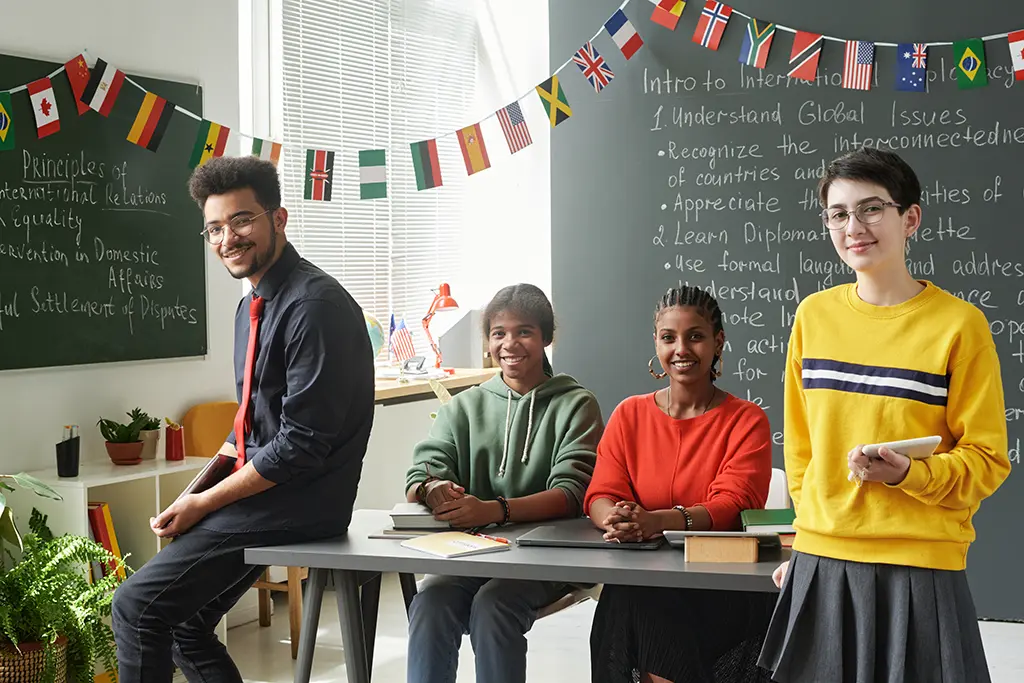
When we acknowledge our own mistakes and demonstrate how we take responsibility for them, we show students that accountability is not about being perfect. It is about being willing to learn, make things right, and try again.
Personal responsibility is not something students develop through a single lesson or classroom activity. It is built through consistent opportunities to make choices, take ownership, solve problems, and learn from experiences.
