
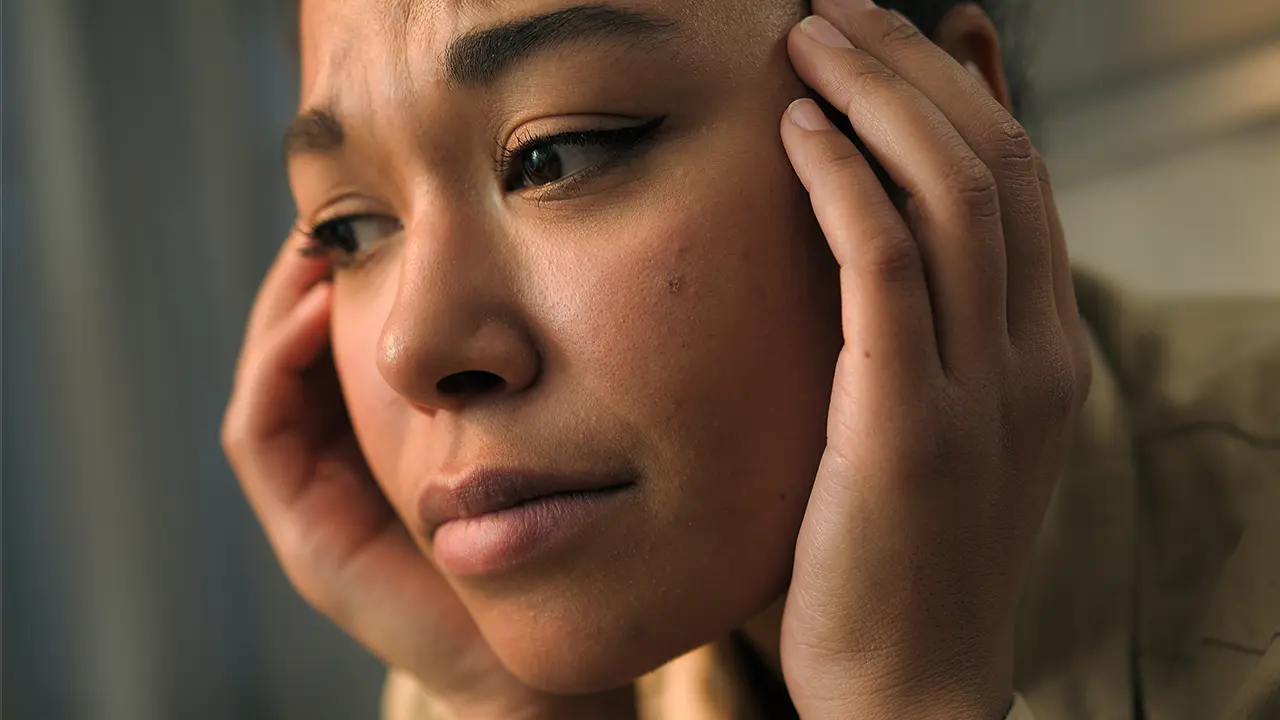
October is National Depression Education and Awareness Month, an important time to talk openly about something that affects millions of people every year. Depression is more than just sadness or having a bad day. It’s a real mental health condition that impacts the way a person thinks, feels, and functions in daily life.
What Is Depression?
Depression can show up in many ways. Common signs include:

- Persistent sadness or irritability
- Loss of interest in activities once enjoyed
- Changes in appetite or sleep
- Low energy or fatigue
- Difficulty concentrating
- Feelings of hopelessness or guilt
These symptoms can last for weeks, months, or even years, and they’re not something people can simply “snap out of.”
Why Awareness Matters
Depression is still misunderstood by many. Some people think it’s a weakness or a lack of willpower. But depression is a medical condition, just like diabetes or heart disease, and it deserves understanding and compassion. Raising awareness helps break stigma, encourages early help, and connects people to resources.
The Link Between Depression and Anxiety
Depression often goes hand in hand with anxiety. While anxiety is marked by excessive worry and nervousness, depression is characterized by persistent sadness and loss of interest. Both can influence each other and impact a person’s quality of life.
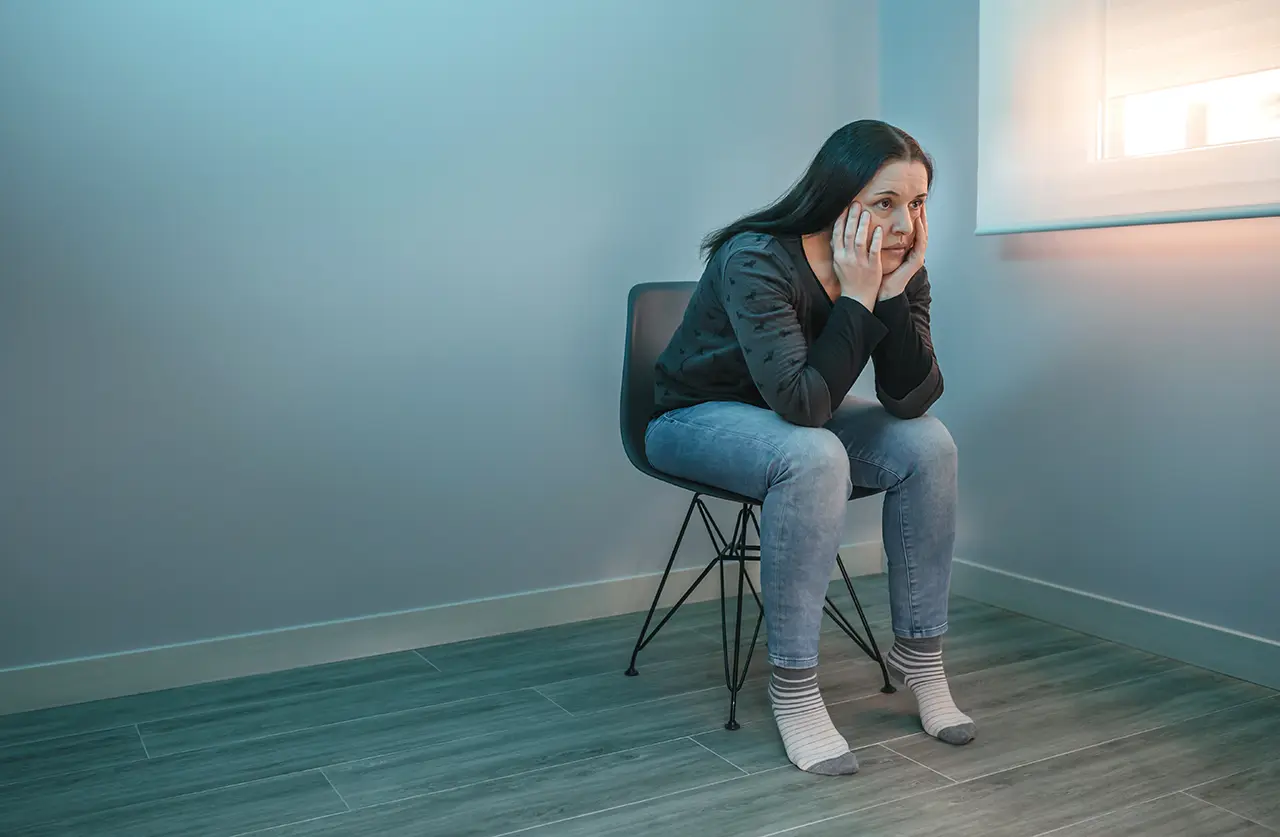
Signs You Might Be Struggling
If you or someone you care about is experiencing symptoms of depression or anxiety, it’s important to take them seriously. These conditions are treatable, but early help makes a big difference.
What You Can Do

- Talk openly about mental health with friends, family, and coworkers.
- Seek help from a licensed counselor, therapist, or doctor.
- Practice self-care: healthy sleep, nutrition, exercise, and mindful breathing.
- Encourage community: connection and support matter.
- Educate yourself and others to reduce stigma and increase compassion.
Why Education Matters
National Depression Education and Awareness Month reminds us that depression isn’t something to hide. Education is powerful. It helps us understand the symptoms, breaks down myths, and equips us to support ourselves and others.
If you or someone you know is struggling with depression, there is help. You are not alone.
