

Did you know that October is National Bullying Prevention Month? It’s the perfect time to pause and ask a big question: Why do people bully others?
While there isn’t one single answer that explains every situation, research and experience show some common patterns. Understanding the why is the first step toward prevention. Let’s take a closer look.
Why Does Bullying Happen?
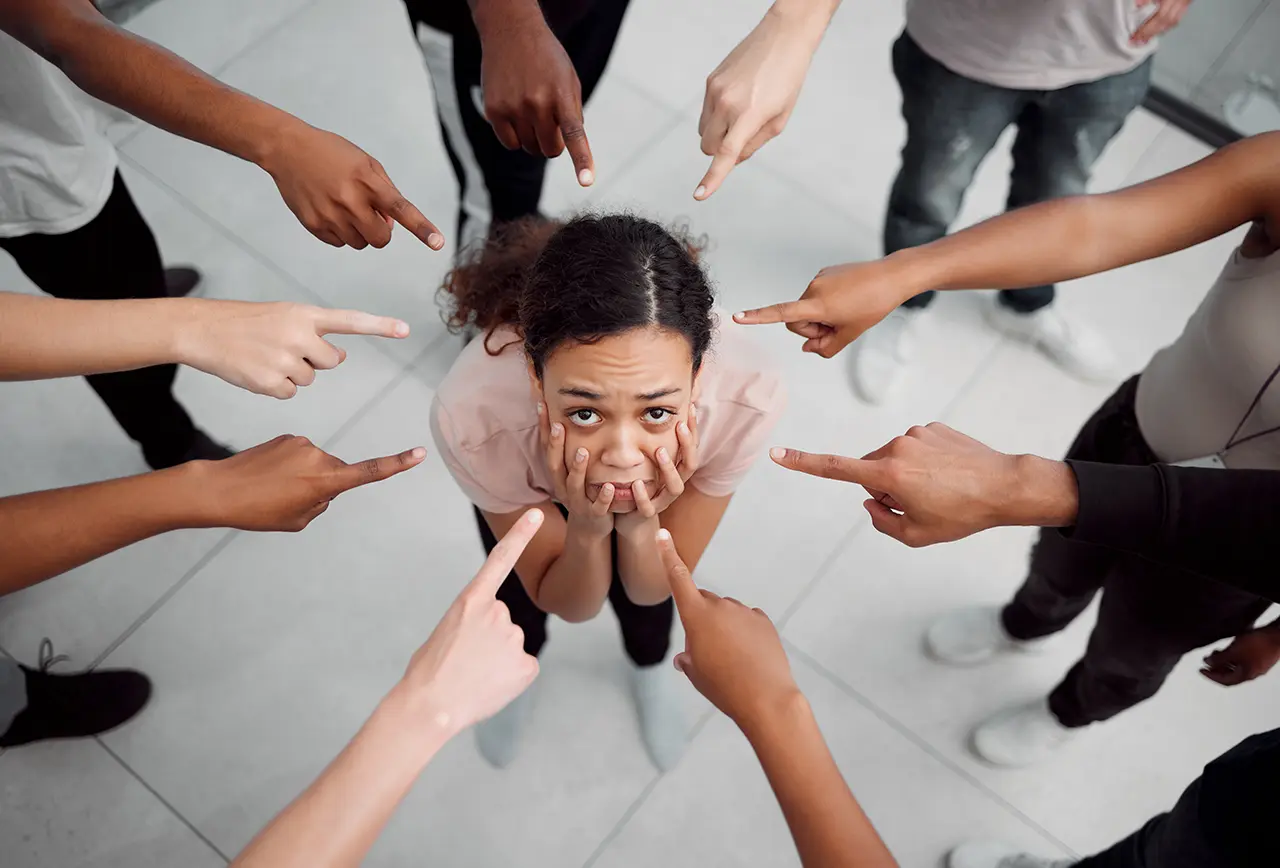
1. Hurt people hurt people.
Many bullies were once victims themselves. If someone has been bullied and never learned healthy ways to process those feelings, they may repeat the behavior, passing along the pain they once felt.
2. Insecurity and jealousy.
Sometimes, bullying grows out of comparison. If someone feels less attractive, less popular, or less capable than their peers, they may lash out to cover up their own insecurities. Bullying becomes a misguided attempt to feel stronger by putting others down.
3. A need for control.
For some, bullying is about power. Making others feel small gives them a temporary sense of control, especially if they come from environments where they feel powerless. Unfortunately, this false sense of strength only feeds the cycle of harm.
What Can We Do?
At its core, bullying is often about unmet needs and unspoken emotions. Until those deeper issues are addressed, the cycle can continue. That’s why prevention efforts need to focus on building emotional awareness, healthy coping skills, and positive connections.

Our Bullying Prevention Program does just that. By assessing social and emotional skills, then guiding participants through activities to strengthen them, it helps kids and teens grow into confident, caring individuals who are less likely to bully and more likely to stand up for others.
Together, we can build safer, healthier communities. Want to learn more?
